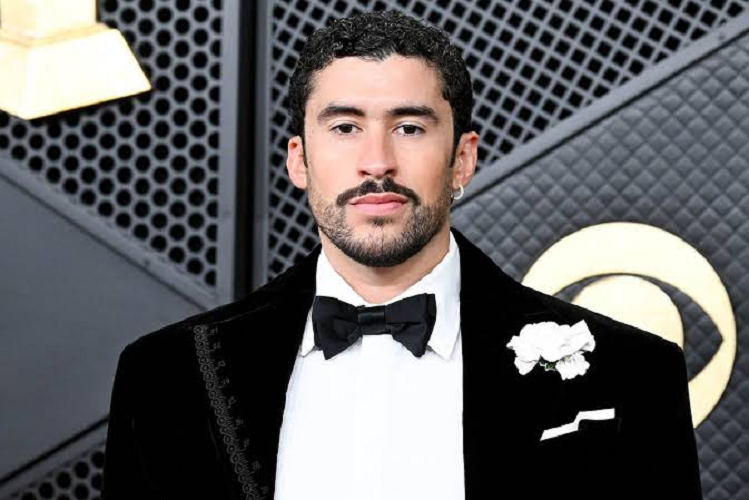

Bad Bunny has become one of the most commercially successful artists in modern Latin music. His Spanish-language songs dominate streaming platforms, his concerts attract massive crowds, and his influence extends well beyond the recording studio. But how much is Bad Bunny net worth in 2026?
Celebrity wealth estimates generally place his net worth between $100 million and $140 million. However, neither figure represents a verified financial disclosure. His exact assets, investments, debts, and private business interests remain unknown.
What is clear is that Bad Bunny has built an impressive financial career. Concert tours, music royalties, brand partnerships, acting roles, and business ventures have all contributed to his success.
His journey from uploading songs online to performing on the world’s biggest stages offers a closer look at how modern musicians turn popularity into long-term earning opportunities.
This guide examines Bad Bunny net worth, career earnings, major income sources, business interests, and the financial decisions that helped him become a global superstar.
What Is Bad Bunny Net Worth in 2026?
Bad Bunny net worth is estimated at $100 million to $140 million, depending on the celebrity finance publication. Celebrity Net Worth has reported an estimate of approximately $140 million, while other estimates fall closer to $100 million.
These figures should be treated as informed estimates rather than confirmed financial records.
Net worth measures the value of someone’s assets after subtracting outstanding liabilities. It does not represent annual income, concert revenue, or the total amount an artist has earned throughout a career.
For example, a stadium tour might generate hundreds of millions of dollars in ticket sales. The artist does not personally receive every dollar. Production costs, promoters, venues, employees, taxes, and contractual agreements all affect the final amount.
That distinction is essential when evaluating Bad Bunny’s fortune.
| Financial metric | Reported estimate |
|---|---|
| Estimated net worth in 2026 | $100 million–$140 million |
| Estimated earnings in 2025 | $66 million |
| Spotify streams in 2025 | 19.8 billion |
| Estimated earnings from his 2025 Puerto Rico residency | Approximately $40 million |
| Estimated earnings in 2022 | $88 million |
Sources: Celebrity Net Worth and Forbes. These figures are published estimates, not audited personal financial disclosures.
The figures highlight Bad Bunny’s extraordinary earning power. However, his actual accumulated wealth could differ from these estimates.
Who Is Bad Bunny?
Bad Bunny, whose real name is Benito Antonio Martínez Ocasio, is a Puerto Rican singer, rapper, songwriter, and actor. Born on March 10, 1994, he grew up in Puerto Rico and developed a musical style that blends reggaeton, Latin trap, pop, and other influences.
Rather than adapting his music primarily for English-speaking audiences, he built an international career while performing predominantly in Spanish. That decision helped him connect with listeners across Latin America, the United States, Europe, and other markets.
His early releases attracted attention online. Collaborations, successful albums, distinctive fashion, and ambitious live performances gradually turned that attention into worldwide recognition.
Some of his best-known songs include:
- “Tití Me Preguntó”
- “Dakiti,” featuring Jhayco
- “Moscow Mule”
- “Callaíta”
- “I Like It”, with Cardi B and J Balvin
- “DtMF”
His success demonstrates that an artist can reach a global audience without abandoning the language and cultural influences that define their work.
Personal Details: Bad Bunny Net Worth
| Personal Detail | Information |
|---|---|
| Full Name | Benito Antonio Martínez Ocasio |
| Stage Name | Bad Bunny |
| Date of Birth | March 10, 1994 (age 32) |
| Birthplace | Bayamón, Puerto Rico |
| Nationality | Puerto Rican |
| Occupations | Rapper, singer, songwriter, record producer, actor, professional wrestler |
| Years active | 2013–present |
| Genres | Latin hip-hop, Latin trap, reggaeton, Latin pop |
| Instrument | Vocals |
| Language | Primarily Spanish |
How Does Bad Bunny Make His Money?
Bad Bunny earns money through several interconnected revenue streams. Touring and music royalties are major contributors, while endorsements, acting, and business interests create additional opportunities.
1. Concert Tours and Live Performances
Live performances are among the strongest drivers of Bad Bunny’s commercial success.
His 2022 tours generated hundreds of millions of dollars in reported ticket sales. The Most Wanted Tour continued that momentum in 2024, attracting large audiences across North America.
His DeBÍ TiRAR MáS FOToS World Tour reached another milestone in 2026. According to Billboard Boxscore figures reported by Music Business Worldwide, the tour generated approximately $467.5 million across 55 shows, selling around 3.1 million tickets.
Those figures demonstrate the scale of demand for his performances. They do not, however, represent his personal take-home earnings.
A stadium tour requires substantial investment. Stage construction, lighting, sound equipment, transportation, security, insurance, staffing, and venue fees can consume a significant portion of the revenue. Promoters and other business partners also receive their contractual shares.
Even after these expenses, a successful tour can be extremely profitable for a major artist. Strong ticket demand, merchandise sales, and favourable agreements can make touring one of the most valuable parts of a musician’s business.
2. Spotify Streaming and Music Royalties
Bad Bunny’s music continues to generate attention and revenue long after its initial release.
In 2025, Spotify reported 19.8 billion streams for Bad Bunny, making him the platform’s most-streamed artist globally that year. Forbes estimated that his Spotify-related streaming activity generated nearly $30 million.
Streaming income can come through several channels, including recording royalties and music publishing. The amount an artist ultimately receives depends on rights ownership, record contracts, distribution arrangements, and other factors.
Spotify does not pay every artist a fixed amount per stream. Payments vary according to several factors, including subscription types, markets, and agreements with rights holders.
Consequently, multiplying Bad Bunny’s total streams by a generic per-stream rate cannot reliably establish his personal income.
His extensive music catalogue also creates long-term earning potential. Popular songs can continue attracting listeners through playlists, social media, collaborations, and live performances years after their release.
3. Album Sales and Music Releases
Albums play a central role in Bad Bunny’s financial success.
A successful release can increase streaming numbers, drive merchandise sales, strengthen concert demand, and attract new commercial partnerships. It can also improve an artist’s negotiating position with promoters and brands.
His 2025 album, DeBÍ TiRAR MáS FOToS, became a major commercial and cultural achievement. The project helped support his subsequent world tour and further expanded his international audience.
In February 2026, the album won the Grammy Award for Album of the Year. It became the first Spanish-language album to receive that honour.
The album’s significance extends beyond its initial sales and streaming performance. Popular tracks can continue generating royalties, attracting new listeners, and supporting future live performances.
For artists with large catalogues, sustained listener interest can become an important source of recurring income.
4. Brand Endorsements and Sponsorships
Bad Bunny’s influence extends into fashion, lifestyle, and popular culture. His distinctive style and international following make him an attractive partner for companies seeking to reach music fans.
His commercial collaborations have included brands such as Adidas and Crocs. These relationships can involve advertising campaigns, product collaborations, promotional appearances, and other arrangements.
Brand partnerships may generate income through:
- Fixed fees for advertising campaigns.
- Payments for promotional appearances.
- Royalties from collaborative products.
- Long-term ambassador agreements.
- Product launches and special collections.
The financial terms of individual deals are generally private. Without reliable disclosures, assigning a precise value to each partnership would be speculative.
Still, endorsements offer a valuable source of income beyond music. They also help strengthen an artist’s commercial profile, potentially creating opportunities for future collaborations.
5. Acting and Entertainment Projects
Bad Bunny has expanded his career into film and professional wrestling, adding new opportunities to his entertainment portfolio.
His film credits include F9, Bullet Train, Cassandro, and Happy Gilmore 2. He has also appeared at WWE events.
Acting compensation varies considerably. Earnings depend on the size of a role, the production budget, contract terms, and any bonuses or additional payments.
His screen appearances can also deliver benefits beyond a pay cheque. Major film productions introduce him to audiences who may not regularly listen to reggaeton or Latin trap.
That exposure can help attract new music listeners, increase public recognition, and support future commercial partnerships.
Although acting is not necessarily his largest source of income, it gives him another way to expand his career beyond recording and touring.
6. Business Interests and Investments
Many successful entertainers eventually use their earnings to build businesses outside their primary careers. Bad Bunny has pursued opportunities in this area as well.
One example is Gekko, a Japanese steakhouse and lounge in Miami that he co-owns with hospitality entrepreneur David Grutman.
Restaurant ownership can create income, but it also comes with substantial operating responsibilities. Rent, wages, supplies, maintenance, and other expenses all affect profitability. A restaurant’s sales should never be confused with the profit its owners receive.
The same principle applies to investments and property. Their value depends on ownership stakes, financing arrangements, market conditions, and ongoing costs.
Bad Bunny’s complete investment portfolio is not publicly documented. As a result, the precise value of his private holdings remains uncertain.
Nevertheless, diversification can help successful entertainers reduce their dependence on music-related income alone.
Bad Bunny’s Biggest Career Earnings and Tour Records
Bad Bunny’s touring history provides some of the clearest evidence of his commercial influence. Industry publications track ticket sales and gross revenue, although those figures do not reveal an artist’s personal profit.
| Tour or event | Reported gross revenue | Significance |
|---|---|---|
| El Último Tour del Mundo (2022) | Approximately $113 million | Established major arena-tour success |
| World’s Hottest Tour (2022) | Approximately $314 million | Became a landmark stadium tour |
| Most Wanted Tour (2024) | Approximately $211 million | Demonstrated continued demand |
| DeBÍ TiRAR MáS FOToS World Tour (2025–2026) | Approximately $467.5 million | Set a major touring benchmark for a male Latin artist |
Figures are rounded estimates drawn from reported industry data. Tour grosses represent ticket revenue, not personal earnings.
His 2025 Puerto Rico residency also contributed substantially to his income. Forbes estimated that he earned approximately $40 million from more than 30 performances during the residency.
The residency offered an alternative to a conventional world tour. Instead of moving the entire production between cities, Bad Bunny performed multiple shows in his home territory.
That format concentrated demand and attracted visitors to Puerto Rico. Hotels, restaurants, transportation companies, and other local businesses also benefited from the influx of fans.
For Bad Bunny, the residency combined commercial success with a celebration of his Puerto Rican heritage.
Bad Bunny Net Worth vs. Annual Income
Celebrity wealth reporting often blurs the distinction between annual earnings and total net worth. Understanding the difference helps put Bad Bunny’s financial achievements into perspective.
Forbes estimated that he earned $88 million in 2022 and $66 million in 2025. Those figures illustrate his ability to generate substantial income, although earnings can vary considerably from one year to another.
The three main financial measures are different:
Net worth: The estimated value of assets, investments, and business interests minus liabilities.
Annual earnings: The income attributed to a particular year, before accounting for every personal expense or financial obligation.
Tour revenue: The gross ticket sales generated by live performances before all expenses and contractual payments.
Consider an artist whose tour generates $100 million. That amount does not mean the artist has $100 million available to spend. Production costs, management fees, taxes, and other obligations can reduce the final amount substantially.
Net worth also includes assets accumulated over previous years. Someone can earn less in one year while still becoming wealthier through investments or appreciating assets.
For that reason, annual earnings and tour grosses should not be used as direct substitutes for net worth.
Pros and Cons of Bad Bunny’s Wealth-Building Strategy
Bad Bunny’s career illustrates the opportunities and risks of building wealth through entertainment.
| Advantages | Challenges |
|---|---|
| Multiple income sources reduce dependence on one revenue stream. | Music trends and audience preferences can change. |
| Successful tours can generate substantial revenue. | Large productions require significant investment. |
| Music catalogs can produce recurring royalties. | Royalty income depends on rights ownership and contract terms. |
| Brand partnerships create opportunities beyond music. | Endorsement income can fluctuate with demand and reputation. |
| Business investments can diversify assets. | Businesses may lose money and require ongoing management. |
The greatest advantage is diversification. Bad Bunny does not rely exclusively on album sales or streaming revenue.
However, multiple income streams do not eliminate financial risk. Entertainment careers remain vulnerable to changing tastes, expensive productions, and uncertain investment returns.
His experience shows the value of combining a strong creative identity with opportunities that extend beyond a single product or performance.
Expert Tips: Financial Lessons From Bad Bunny’s Success
You do not need to become a global superstar to apply some of the principles behind Bad Bunny’s career.
1. Develop Multiple Income Streams
Depending on one paycheck can make your finances vulnerable to unexpected changes. Consider developing additional skills, freelance opportunities, or a small business alongside your primary job.
Start with something manageable rather than taking on unnecessary debt.
2. Build Assets That Can Generate Ongoing Income
Some assets can produce income repeatedly. Examples include original digital products, intellectual property, and carefully managed businesses.
Before investing, understand the costs, ownership rights, and time required to maintain the asset.
3. Develop a Recognizable Identity
Bad Bunny has built a recognizable brand through his music, fashion, performances, and cultural identity.
For creators and entrepreneurs, consistency helps audiences understand what makes a product or service different. A clear identity can also make marketing more effective.
4. Understand Revenue and Profit
A business that generates $100,000 in sales has not necessarily earned $100,000 in profit.
Subtract operating expenses, taxes, fees, and other obligations before evaluating financial performance. This principle applies to small businesses just as much as major concert tours.
5. Evaluate Wealth Estimates Carefully
Celebrity net worth figures often rely on incomplete information. Check the publication date, identify the underlying sources, and determine whether a number represents revenue, annual earnings, or accumulated wealth.
This simple habit helps separate credible reporting from speculation.
(FAQs): About Bad Bunny Net Worth
1. What is Bad Bunny net worth in 2026?
Bad Bunny net worth is commonly estimated at $100 million to $140 million in 2026. The exact figure remains unverified because he has not publicly disclosed a complete statement of his personal assets and liabilities.
2. How did Bad Bunny become so wealthy?
He built his fortune through concert tours, streaming royalties, music releases, brand partnerships, acting roles, and business interests. His ability to attract international audiences has strengthened these income streams.
3. How much did Bad Bunny earn in 2025?
Forbes estimated his 2025 earnings at $66 million, placing him among the world’s highest-paid musicians. This figure represents estimated earnings for that year, not his total net worth.
4. How much money did Bad Bunny make from Spotify?
Forbes estimated that his Spotify-related streaming activity generated nearly $30 million in 2025. This figure is a published estimate rather than a confirmed payment statement from Spotify or the artist.
5. How much revenue did Bad Bunny’s 2026 world tour generate?
His DeBÍ TiRAR MáS FOToS World Tour generated approximately $467.5 million across 55 reported shows, according to Billboard Boxscore figures. That amount represents gross ticket revenue rather than his personal earnings after expenses.
6. Does Bad Bunny own any businesses?
Yes. One of his known business interests is Gekko, a Japanese steakhouse and lounge in Miami that he co-owns with hospitality entrepreneur David Grutman. The full value of his private business holdings has not been publicly established.
7. Does Bad Bunny make money from acting?
Yes. His film credits include F9, Bullet Train, Cassandro, and Happy Gilmore 2. Acting provides another potential source of income, although his individual contract terms are generally private.
8. How much does Bad Bunny make per concert?
His earnings vary by venue, ticket sales, production expenses, and contractual arrangements. Reported per-show revenue should not be confused with the amount he personally receives.
9. Is Bad Bunny a billionaire?
Public reporting does not establish that Bad Bunny net worth has a personal of $1 billion. His tours have generated enormous ticket revenue, but cumulative business revenue is not the same as personal wealth.
10. What is Bad Bunny’s biggest source of income?
Touring appears to be one of his most significant income sources. Forbes attributed approximately $40 million of his estimated 2025 earnings to his Puerto Rico residency, while streaming also contributed substantially.
Conclusion: Bad Bunny Net Worth
Bad Bunny net worth reflects years of musical success, global touring, streaming popularity, and commercial expansion. Celebrity wealth estimates place his 2026 fortune between $100 million and $140 million, although the exact amount remains unverified.
His commercial achievements are easier to measure. Forbes estimated his 2025 earnings at $66 million, while his latest world tour generated approximately $467.5 million in reported ticket revenue across 55 shows.
These figures reveal the scale of his success without confusing business revenue with personal wealth.
Bad Bunny’s financial story is about more than hit songs. He has developed a recognizable identity, expanded into several entertainment sectors, and built an international audience without abandoning his Puerto Rican roots.
For aspiring artists and entrepreneurs, his career offers a useful lesson: creative originality can become a powerful commercial advantage when paired with strategic partnerships, diversified income, and a clear understanding of long-term value.