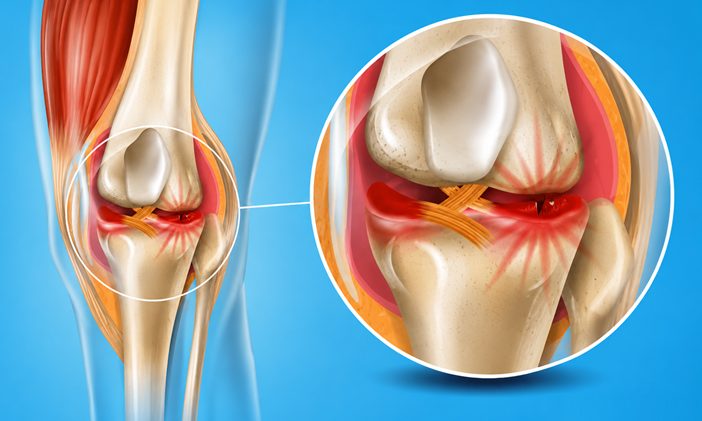

Someone might feel a small pop in the knee while pivoting to grab something off a low shelf, or turning quickly to catch a ball during a casual game. It does not always hurt right away, so it gets brushed off as nothing, until the knee starts feeling stiff or swollen a few hours later.
Over the following days, this can start to affect ordinary movement in ways that are easy to underestimate at first. Favoring one leg while climbing stairs, avoiding a full squat when picking something up, or noticing the knee catching or locking during certain movements. It is reasonable to feel frustrated by an injury that seemed minor at the time but keeps interfering with basic activities days later.
Understanding what is actually happening inside the knee usually requires more than guessing based on how it feels. Speaking with a meniscus specialist can clarify whether the twisting motion caused a tear or something else, and anyone wanting to understand the signs in more detail can click here before deciding on next steps.
Everyday Habits That Influence Knee Injuries
Twisting While the Foot Stays Planted
A common pattern behind this kind of injury involves the foot staying fixed on the ground while the body rotates, such as pivoting quickly during a sport or turning sharply while carrying something heavy. This combination puts direct rotational stress on the knee joint, which is exactly the kind of movement that can damage the cartilage between the thigh and shin bones.
Skipping a Proper Warm-Up Before Activity
Jumping straight into a game or workout without warming up the muscles around the knee can leave the joint less prepared to handle sudden directional changes. Someone who regularly skips this step may not notice a problem for a while, until one particular twist happens to land at the wrong angle.
Continuing Activity Despite Early Discomfort
It is common to keep playing or working through a minor twinge, assuming it will loosen up with more movement. In some cases this is true, but continuing to move on a joint that has already been strained can turn a minor irritation into a more significant tear, especially if the same twisting motion happens again before the knee has recovered.
Understanding How the Knee Responds to Strain
Recognizing the Difference Between Soreness and Something More
General muscle soreness after activity tends to ease with rest and feels similar throughout the joint, while a meniscus issue often comes with more specific symptoms, like catching, locking, or swelling that does not go down after a day or two. Someone who pays attention to these distinctions, rather than assuming all knee discomfort is the same, tends to seek the right kind of help sooner rather than continuing to push through it.
Practical Adjustments for Daily Comfort
Resting and Elevating in the First Few Days
Reducing weight-bearing activity and elevating the knee during the initial days after a twisting injury can help control swelling and prevent further strain on already irritated tissue. Someone who takes this seriously right away, rather than continuing normal activity, often gives the knee a better chance to settle before deciding on next steps.
Avoiding Deep Squats and Sudden Pivots During Recovery
Movements that require deep bending or quick directional changes put the most stress on the meniscus, so avoiding these specific motions while the knee heals tends to prevent the injury from getting worse. Someone recovering might swap a deep squat for a shallower one during this period, resuming full range of motion only once symptoms have genuinely settled.
The Impact of Small, Consistent Changes
None of these adjustments feel dramatic on their own. Resting properly in the first few days, avoiding deep squats and sudden pivots, paying attention to specific symptoms instead of assuming all knee pain is the same. But together, they tend to support a smoother recovery and help avoid turning a manageable injury into a more serious one.
Knee pain that lingers after a twisting motion is worth taking seriously rather than waiting out, and getting a proper evaluation early usually makes the difference between a quick recovery and a much longer one.