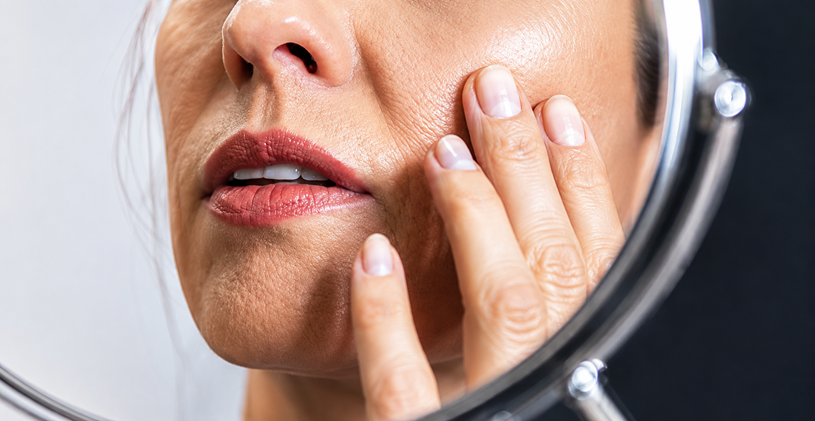

Someone might notice it while pressing a thumb into their cheek and watching how slowly the skin springs back, a small test that never used to cross their mind before. Or maybe it shows up in a photo where the skin along the jawline looks a little less defined than it did a few years ago, even without any obvious cause.
Over time, this kind of change can start to affect how someone feels about their reflection more than any single moment would suggest. Reaching for richer moisturizers that do not seem to make much difference, avoiding certain lighting, or feeling a quiet frustration that skin which used to bounce back now takes longer to look rested. It is a reasonable thing to notice, and it does not have to mean anything is wrong, just that skin is going through a natural process that eventually affects everyone differently.
Understanding what is actually happening beneath the surface tends to make this feel less confusing. Speaking with a licensed skin care professional about treatment options, including how profhilo cost compares across different concerns and clinics, can help clarify what is realistic for a specific skin type before deciding on anything.
What’s Actually Driving These Changes
Declining Collagen and Elastin Production
Skin relies on collagen and elastin to keep its structure and bounce, and the body naturally produces less of both as the years go by. Someone who notices skin taking longer to spring back after being pressed, or fine lines settling in places that used to stay smooth, is often seeing this decline show up directly.
Cumulative Sun Exposure Over Decades
Years of everyday sun exposure, not just obvious sunburns, gradually break down the structures that keep skin firm and even in tone. Someone who spent summers without much sunscreen in their twenties may notice the effects showing up more visibly decades later, even if their skin looked fine at the time.
Gradual Loss of Skin Hydration
Skin’s ability to retain moisture tends to decline with age, which is part of why it can start to look duller or feel drier than it used to, even with the same skincare routine. This shift often happens slowly enough that someone may not notice until a friend mentions their skin looks tired, prompting a closer look in the mirror.
Supporting the Skin’s Own Renewal Process
Giving the Body What It Needs to Keep Repairing Itself
Skin continues to repair and renew itself throughout life, but this process depends on consistent support, including enough sleep, hydration, and key nutrients like protein and vitamin C. Someone who prioritizes these basics consistently, rather than relying on a single product to do all the work, tends to notice skin that looks more resilient over time. The focus here is steady support rather than expecting one change to reverse years of gradual decline overnight.
Realistic Adjustments Worth Making
Building a Simple, Consistent Skincare Routine
Rather than adding new products every time something is recommended, someone can settle into a simple routine built around a gentle cleanser, a targeted treatment, and daily sunscreen. Sticking with this consistently for several weeks tends to give skin more benefit than switching products frequently in search of faster results.
Timing Professional Treatments Around Realistic Expectations
For deeper concerns like lost elasticity or persistent dullness, some people explore treatments alongside their existing skincare routine rather than instead of it. Someone planning this kind of appointment might ask upfront about recovery time and how many sessions are typically needed, which helps set expectations before committing to anything.
A Grounded Way to Think About Skin Aging
None of these adjustments reverse the clock overnight. Supporting skin’s natural repair process, keeping a consistent routine instead of chasing new products, understanding realistic timelines before trying a professional treatment. But together, they tend to lead to skin that looks and feels more resilient over months, with fewer of the frustrations that come from expecting quick, dramatic change.
Aging skin is a normal part of getting older, not a problem to fix all at once, and understanding what is realistic tends to make the whole process feel far less discouraging than chasing an impossible standard.