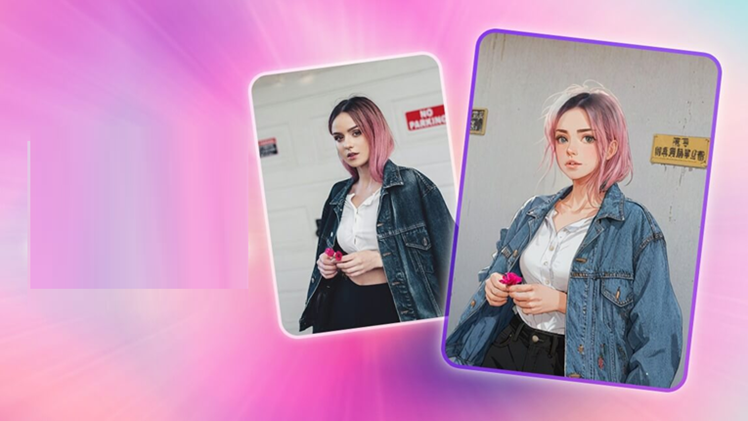

The landscape of digital content creation is undergoing a rapid transition as generative AI models move from experimental curiosities to essential production tools. Among the latest developments in this space, the release of the Seedream 5.0 Pro photo generator represents a notable shift toward high-fidelity visual consistency.
As creators and marketers seek more efficient ways to bridge the gap between initial concepts and polished final assets, the demand for technology that maintains narrative integrity while streamlining production workflows has never been higher.
The Evolution of Generative Visuals
For professional creators, the core challenge has rarely been generating images, but rather controlling the output to fit specific brand requirements or storytelling arcs. Previous iterations of image generation technology often struggled with the nuances of lighting, subject consistency, and texture reproduction. The introduction of the Seedream 5.0 Pro photo generator addresses these complexities by prioritizing structural accuracy and aesthetic coherence.
By leveraging advanced architectural improvements, this update allows for a more predictable interaction between textual prompts and visual outcomes. For marketing teams managing large-scale campaigns, this means a reduction in the time spent on “re-rolling” prompts to achieve a desired look. The tool acts as a bridge, enabling creators to translate abstract concepts into tangible visual media with a higher degree of precision.
Workflow Efficiency and Creator Utility
The primary value proposition for modern creative teams lies in workflow optimization. Traditional production cycles—involving mood boarding, stock asset acquisition, and extensive post-production—often create bottlenecks in fast-paced content environments. The integration of high-performance generative models allows for a more iterative approach to design.
When utilizing the Seedream 5.0 Pro photo generator, professionals can test multiple visual directions in a fraction of the time required by manual creation methods. This capability is particularly relevant for social media content creation, where the lifespan of visual trends is short, and the pressure to maintain a consistent output frequency is constant. By reducing the friction involved in generating high-quality assets, creators can focus more on strategy and narrative development rather than the mechanics of image rendering.
Practical Applications in Marketing and Storytelling
The utility of advanced generation tools extends beyond simple static images; it fundamentally alters the foundation of visual storytelling. In the context of marketing campaigns, consistency is the bedrock of brand recognition. Whether creating visuals for product launches, social media headers, or digital advertisements, maintaining a unified visual language is paramount.
Practical use cases for this technology include:
- Rapid Prototyping: Marketing teams can use the tool to generate visual storyboards, allowing stakeholders to visualize campaign concepts before committing to high-cost production sessions.
- Enhanced Social Media Content: The ability to generate contextually relevant imagery allows for more dynamic engagement on platforms where visual storytelling is the primary mode of communication.
- Asset Customization: Content creators can tailor imagery to specific demographic segments, ensuring that visual elements resonate more effectively with different audiences without requiring entirely new photoshoots.
By focusing on these operational gains, the implementation of such technology shifts the focus from “creating something new” to “optimizing the message.” It provides a mechanism for creators to scale their output while retaining control over the creative output.
Technical Foundations and User Experience
At the center of this update is a refined focus on the underlying architecture. The engineering team behind the platform has placed a heavy emphasis on reducing hallucination—a common challenge in generative models—and improving the interpretation of complex, multi-layered prompts.
For the end user, this translates to a more intuitive experience. The interface allows for granular control over parameters, meaning that the Seedream 5.0 Pro photo generator responds more accurately to specific artistic styles, lighting conditions, and composition requirements. This level of responsiveness is crucial for professional environments where “close enough” is rarely sufficient, and meeting specific technical specifications is a requirement.
Looking Ahead: The Future of Generative Media
As generative models continue to integrate into broader software ecosystems, the focus will likely shift from standalone tools to interconnected pipelines. We are already seeing a trend where generation tools are becoming embedded directly into video editing and graphic design software, facilitating a more seamless transition from ideation to final product.
The trajectory of this technology suggests a future where the barrier to entry for high-quality production is significantly lowered, not by replacing the creative process, but by augmenting it. For agencies, freelance designers, and in-house marketing teams, adopting these technologies early is no longer just about staying ahead of the curve—it is about establishing a more sustainable and efficient creative workflow.
The refinement of these tools is a clear signal that the industry is moving toward a more mature phase of AI adoption. The emphasis on stability, reliability, and professional-grade output ensures that these tools are viewed not as novelty items, but as legitimate components of the modern professional creative toolkit.
As developers continue to refine the capabilities of models like Seedream 5.0, the focus will remain on enhancing the human-in-the-loop experience, ensuring that while the speed of generation increases, the quality of creative direction remains firmly in the hands of the creator.
Media Contact Information
For further information regarding these updates, or for press inquiries, please contact our media relations team:
- Contact Person: Ming Hu
- Email: capcutweb@bytedance.com
- Company: CapCut