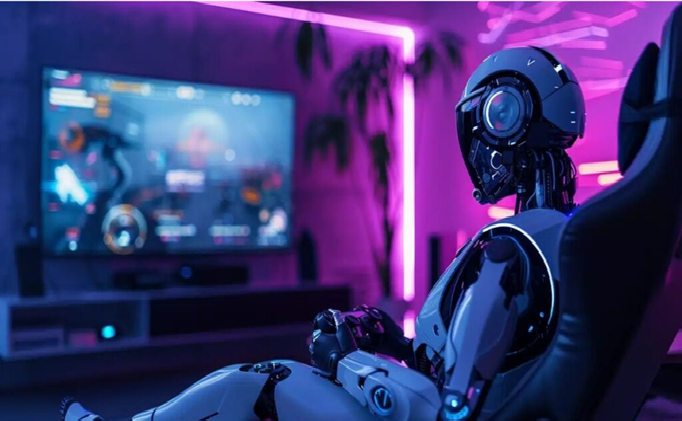

The gaming industry has always evolved by merging creativity with technology. One of the most exciting developments in recent years is the emergence of harmonicode games—a concept that blends music, rhythm, and programming logic into a single immersive experience. These games are not just about entertainment; they offer a fusion of art, science, and interactivity that appeals to gamers, developers, and educators alike.
gaming harmonicode represent a new genre where sound and code work together. Players interact with musical elements, often solving puzzles, creating melodies, or programming sequences that directly influence gameplay. This unique approach has captured the attention of both casual gamers and professionals, making it a rapidly growing niche in the gaming world.
What is Harmonicode Games?
Harmonicode game are a genre of games that combine:
- Music and rhythm mechanics
- Programming or logic-based gameplay
- Interactive audiovisual experiences
In these games, playing games blog playbattlesquare, players often manipulate musical patterns or code sequences to progress. For example, solving a puzzle might involve arranging notes in a specific order or writing simple code that generates a melody.
Core Concept
The term “harmonicode” comes from:
- Harmony (music)
- Code (programming)
This fusion allows players to:
- Learn programming basics through gameplay
- Experience music in an interactive way
- Develop problem-solving skills
Key Features of Harmonicode Games
1. Music-Driven Gameplay
Gameplay revolves around rhythm, beats, and melodies. Players must often sync actions with music.
2. Coding Integration
Many harmonicode game include:
- Visual programming interfaces
- Logic-based puzzles
- Algorithmic challenges
3. Real-Time Feedback
Players receive instant feedback through:
- Sound changes
- Visual animations
- Gameplay progression
4. Creative Expression
Players can:
- Compose music
- Design soundscapes
- Experiment with code-driven audio
5. Educational Value
These games are often used in:
- STEM education
- Music learning
- Coding bootcamps
How Harmonicode Games Work
Basic Gameplay Loop
- Input – Player interacts with musical or code elements
- Processing – Game interprets logic or rhythm
- Output – Sound and visuals respond dynamically
- Feedback – Player adjusts actions based on results
Types of Harmonicode Games
1. Rhythm Coding Games
Players write code that generates rhythms or melodies.
2. Puzzle-Based Music Games
Solve puzzles using musical logic.
3. Sandbox Music Coders
Open-ended environments where players create freely.
4. Educational Platforms
Designed to teach coding through music.
Popular Examples of Harmonicode Game Concepts
| Game Type | Description | Skill Developed |
|---|---|---|
| Rhythm Coding | Create beats using code | Programming logic |
| Melody Puzzle | Arrange notes to solve challenges | Problem-solving |
| Sound Sandbox | Free music creation | Creativity |
| Algorithmic Music | Generate music through logic | Analytical thinking |
Benefits of Harmonicode Games
1. Enhances Cognitive Skills
- Improves memory
- Boosts concentration
- Strengthens logical thinking
2. Encourages Creativity
Players explore:
- Music composition
- Sound design
- Artistic expression
3. Makes Learning Fun
Coding becomes engaging rather than intimidating.
4. Bridges Art and Technology
Combines:
- Music theory
- Software development
- Game design
5. Suitable for All Ages
From beginners to advanced users, everyone can benefit.
Why Harmonicode Games Are Gaining Popularity
1. Rise of Edutainment
Learning through games is becoming mainstream.
2. Growth of Indie Game Development
Indie developers are experimenting with new genres.
3. Increased Interest in Coding
More people are learning programming skills.
4. Music Streaming Influence
People are more connected to music than ever.
Technologies Behind Harmonicode Games
1. Audio Engines
Used to process and generate sound dynamically.
2. Game Engines
Popular tools include:
- Unity
- Unreal Engine
3. Programming Languages
Common languages:
- JavaScript
- Python
- C#
4. AI Integration
AI can:
- Generate music
- Adapt gameplay
- Personalize experiences
Platforms for Harmonicode Games
| Platform | Advantages | Limitations |
|---|---|---|
| PC | High performance | Requires setup |
| Mobile | Accessibility | Limited controls |
| Web-based | No installation | Performance issues |
| VR/AR | Immersive experience | Expensive hardware |
Harmonicode Games in Education
1. Schools and Universities
Used to teach:
- Coding fundamentals
- Music theory
2. Online Learning Platforms
Interactive lessons using game mechanics.
3. Workshops and Bootcamps
Hands-on learning experiences.
Challenges in Harmonicode Game Development
1. Complexity
Combining music and code is technically demanding.
2. Learning Curve
Some players may find it difficult initially.
3. Limited Awareness
Still a niche genre.
4. Balancing Fun and Education
Games must remain engaging while teaching.
Future Trends in Harmonicode Games
1. AI-Generated Music Gameplay
Games will adapt music in real time.
2. Multiplayer Collaboration
Players creating music together online.
3. VR Music Coding
Immersive environments for composing and coding.
4. Integration with Real Instruments
Connecting digital gameplay with physical instruments.
How to Get Started with Harmonicode Games
Step 1: Choose a Platform
Start with web-based or mobile games.
Step 2: Learn Basic Concepts
Understand:
- Rhythm
- Logic
- Simple coding
Step 3: Practice Regularly
Consistency improves skills.
Step 4: Explore Advanced Tools
Move to more complex platforms over time.
Tips for Beginners
- Start simple
- Focus on rhythm first
- Learn basic programming concepts
- Experiment freely
- Don’t fear mistakes
Advanced Strategies
- Combine multiple musical layers
- Optimize code for efficiency
- Use patterns and loops
- Explore algorithmic composition
Comparison: Traditional Games vs Harmonicode Games
| Feature | Traditional Games | Harmonicode Game |
|---|---|---|
| Gameplay | Action/Story | Music + Logic |
| Learning | Limited | High |
| Creativity | Moderate | Very High |
| Skill Development | Reaction-based | Cognitive + Creative |
Use Cases Beyond Gaming
1. Music Production
Artists can experiment with new sounds.
2. Therapy and Relaxation
Music-based interaction can reduce stress.
3. Software Development Training
Gamified coding practice.
Common Misconceptions
“You need to be a musician”
Not true—many games are beginner-friendly.
“It’s only for coders”
Visual tools make it accessible to everyone.
“It’s too complex”
Many games start with simple mechanics.
Frequently Asked Questions (FAQ)
1. What are harmonicode game?
Harmonicode game are games that combine music and coding to create interactive gameplay experiences.
2. Are harmonicode game good for learning programming?
Yes, they provide a fun and engaging way to learn coding basics.
3. Do I need musical knowledge to play?
No, most games are designed for beginners.
4. What platforms support harmonicode game?
They are available on PC, mobile, web, and sometimes VR.
5. Are harmonicode game suitable for kids?
Yes, many are educational and kid-friendly.
6. Can I create my own harmonicode game?
Yes, with tools like game engines and programming languages.
7. Are these games free?
Some are free, while others are paid.
8. What skills do these games improve?
They improve coding, creativity, problem-solving, and musical understanding.
9. Are harmonicode game popular?
They are growing rapidly in popularity.
10. What is the future of harmonicode game?
The future includes AI integration, VR experiences, and collaborative gameplay.
Conclusion
Harmonicode game represent a groundbreaking shift in the gaming industry, merging music and programming into a single, cohesive experience. They are not only entertaining but also educational, offering players the opportunity to develop valuable skills while having fun.
As technology continues to evolve, harmonicode gaming are expected to become more immersive, accessible, and widely adopted. Whether you’re a gamer, a student, or a developer, exploring this innovative genre could open up new creative and intellectual possibilities.